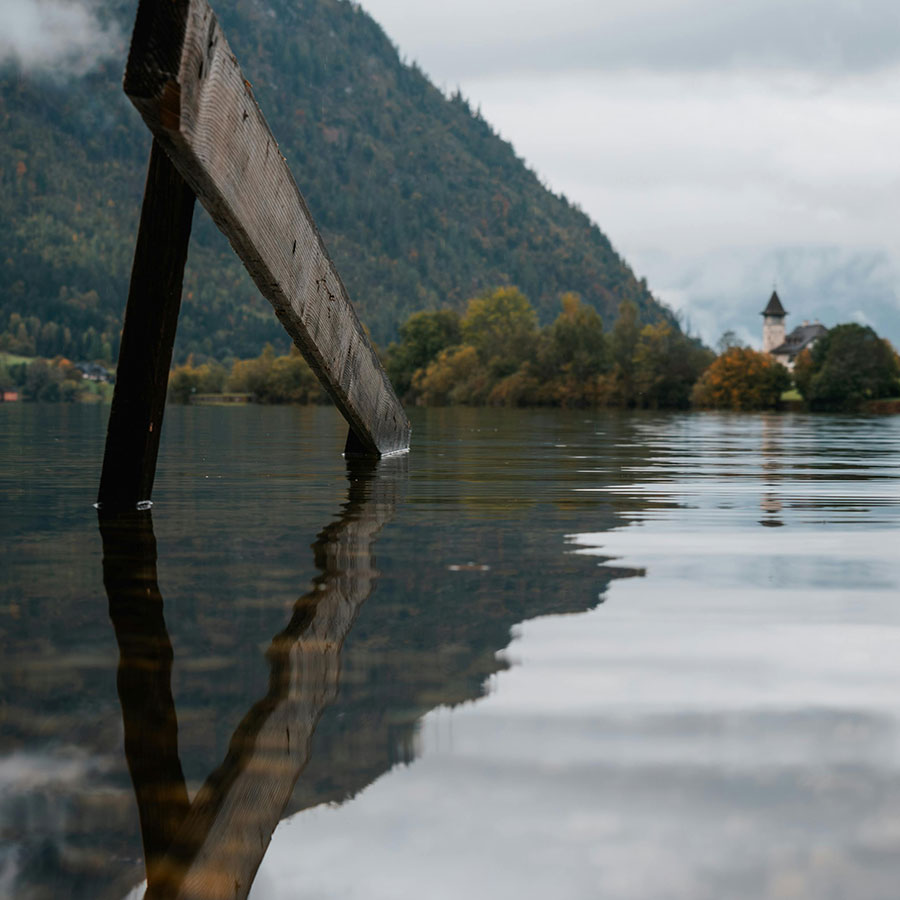
A village at 712 metres, set between the Trisselwand and the Loser. A lake of drinking-water clarity. A tradition of summer retreat that began with Hofmannsthal and Schnitzler — and has not stopped since.
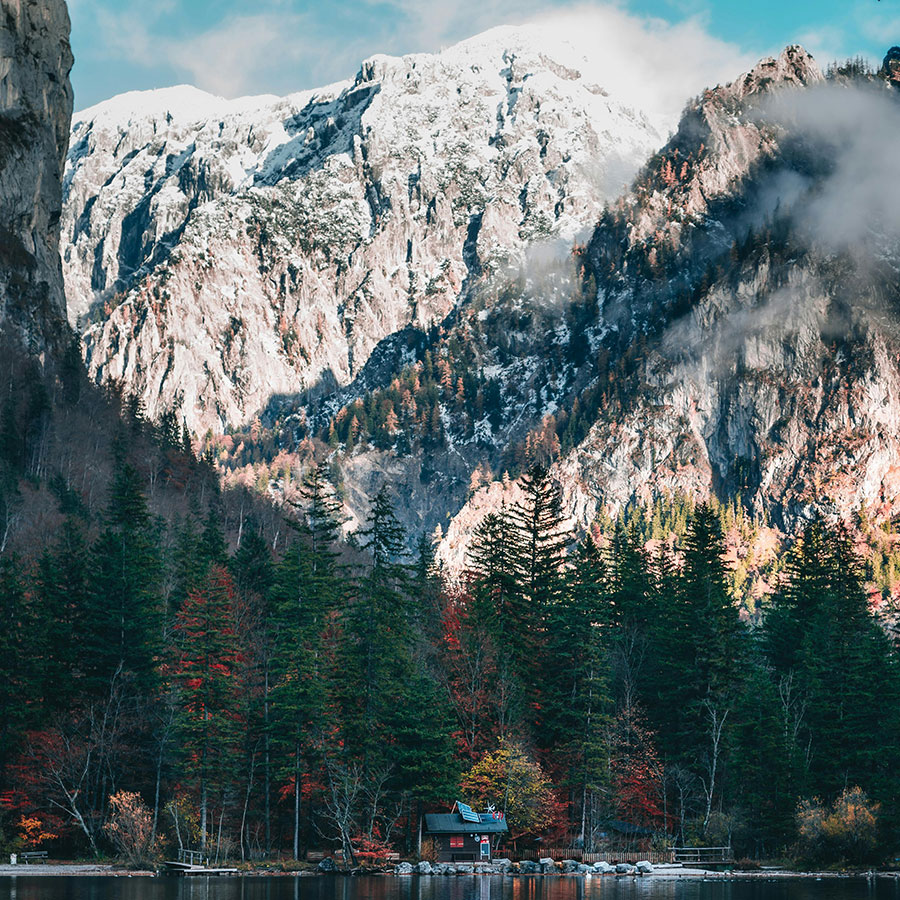
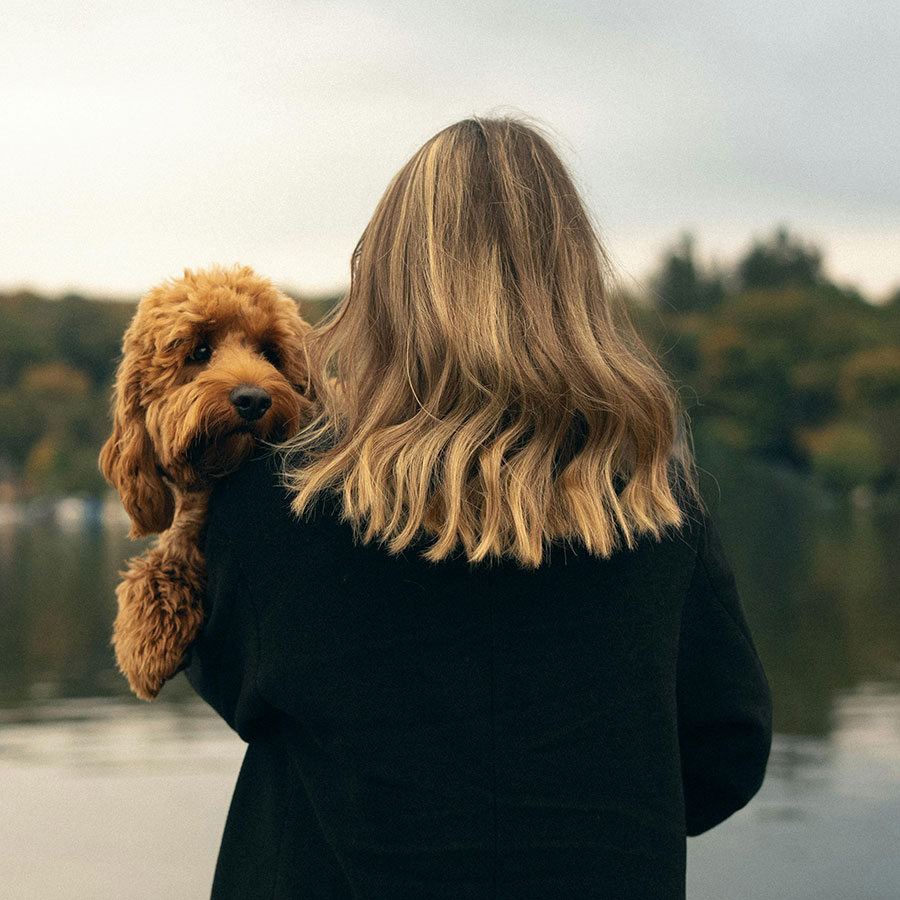
Host Maija and her dog Specki take you along on a little walk — from the house over the Arzleiten and down to Lake Altaussee.
Nature here doesn't begin after a drive; it lies just beyond the front door. Woods, meadows and lakeshore, the water between them and the mountains above it all — an all but endless web of trails that tells a different story in every season. Lace up your shoes whenever the mood takes you; the finest of it is already within reach.
Lake Altaussee covers 2.1 km² and reaches a depth of 53 metres. It is so pure it has the quality of drinking water. Only electric and rowing boats are allowed. The lake-loop path is 7.5 km, almost flat, walkable in roughly an hour and a half — all year round. In high summer the water rarely climbs above 20 °C, but when it does, the swim is a blessing. Local speciality: Ausseer Arctic char, freshly smoked at the farm.
The Loser (1,838 m) is local mountain, ski area and panoramic road in one: 10 kilometres of toll road and 29 hairpin bends climb to almost 1,600 m, where the icy Augstsee and a herd of Highland cattle await. In winter, 34 kilometres of pistes, free-ride terrain, family-friendly without the queues. Alongside: cross-country trails, snowshoe routes to the Blaa-Alm, a natural toboggan run, ice skating. Summer classics: the Six-Lakes hike on the Tauplitzalm and the Tressenstein, with views over three lakes.
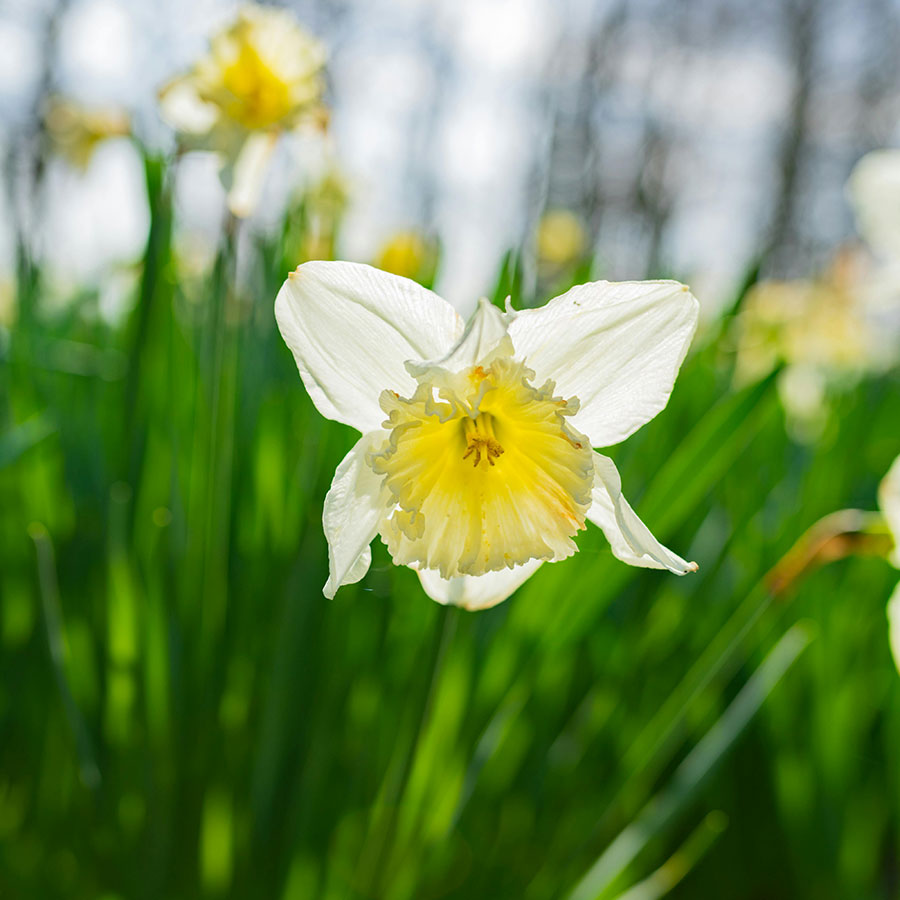
In the Salzwelten Altaussee salt mine, more than 6,500 works of art were hidden during the Second World War — among them the Ghent Altarpiece and Vermeer's "The Art of Painting". George Clooney's Monuments Men told the story in 2014. The Altaussee Literature Museum honours Hofmannsthal, Bahr, Torberg, Frischmuth and the long tradition of the alpine summer. The Ausseer Carnival, with its Trommelweiber drumming women and sequined Flinserl figures, is UNESCO intangible heritage. And the Daffodil Festival in late May is the largest flower festival in Austria.
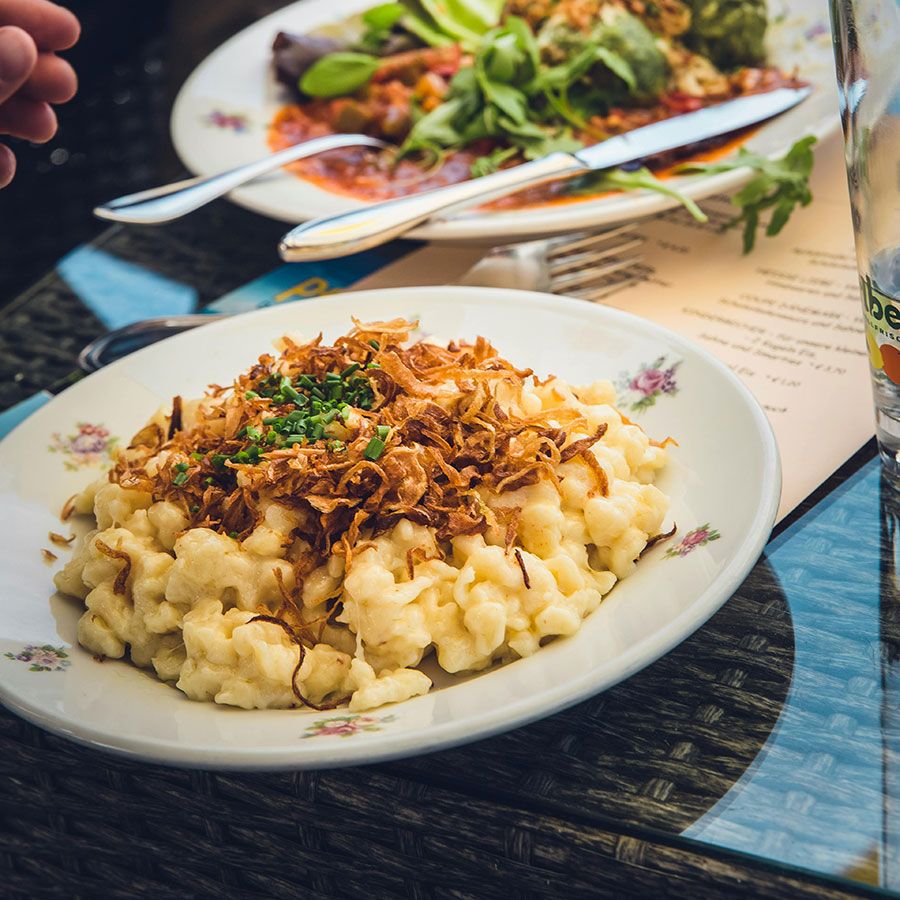
The Ausseerland takes its food seriously. Right by Lake Altaussee, Refugium am See offers refined cuisine with a lakeside view, and the Strandcafe on the shore is our hostess's personal favourite. Up the mountain, the Geiger Alm serves hearty alpine fare, and Restaurant Seewiese — the Red Bull retreat at Lake Toplitz — is a destination in itself. The Kohlröserlhütte remains the classic walker's stop high above the lake. And Postillion's Einkehr in Bad Aussee is an inn with character.
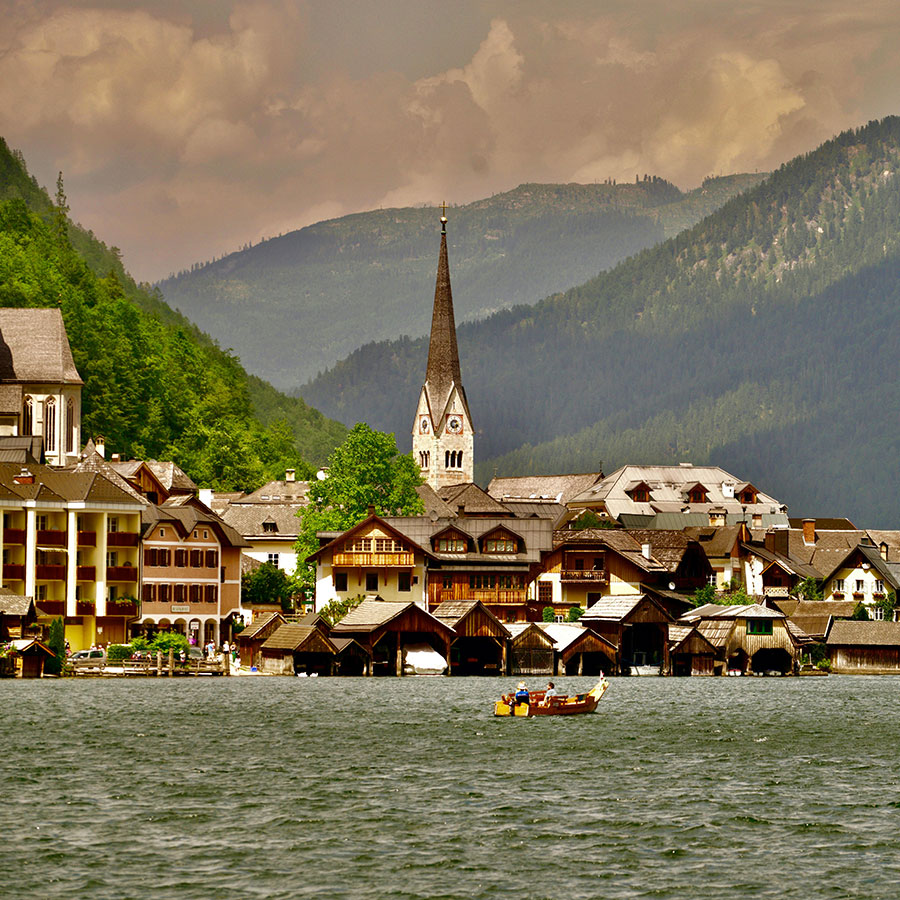
Bad Aussee (4 km) is considered the geographical centre of Austria — traditional dress shops and spa house included. Grundlsee (6 km) is the "Styrian Sea", with the legendary Toplitzsee. Hallstatt (30 min) is a UNESCO World Heritage site. Bad Ischl (40 min) holds the imperial villa and the Zauner patisserie. The Gosausee, with the Dachstein mirrored on its surface, is a comfortable hour away. The Dachstein Ice Cave and the 5fingers viewing platform lie 40 minutes off.
There is no bad month here. January has deep snow; in February the Trommelweiber take to the streets; April brings sunshine for ski touring; May blooms with daffodils. July and August are high summer at the lake. September: deer rut on the Loser, larches turning gold. October: the cattle return from the alps, game weeks in the kitchens. December: the Twelve Holy Nights and mountain Advent.
Gästehaus Eltz is your base — in the heart of the quiet corner of the Salzkammergut.
Enquire now